





If you are looking for the sweet spot for turf field maintenance, the answer implies a balance between total neglect and constant worry. An optimized schedule simply requires a consistent rhythm: brush the fibers every two to four weeks to prevent matting, check infill levels quarterly to safeguard shock absorption, and perform a deep-clean seasonally to prevent drainage issues. By sticking to this proactive timeline rather than waiting for obvious wear and tear to show up, you can extend the functional lifespan of the surface you selected from our Artificial Sports Turf Buying Guide for Indoor And Outdoor Use by over 17% while keeping that pristine, luxury aesthetic intact year-round.
It is also critical to understand that “low maintenance” doesn’t mean “no moisture,” because ignoring sports turf irrigation is a recipe for a hot, uncomfortable surface. While you aren’t watering for growth, a strategic rinsing schedule is non-negotiable for cooling down surface temperatures during summer and flushing out contaminants like pollen or pet waste that eventually turn into sludge. Whether you are managing a high-end residential lawn or a competitive athletic complex, the guide below details the exact tools, timelines, and professional secrets you need to protect your investment without letting yard work take over your life.
The Executive Brief: Essentials for the Time-Poor
Before we wander off into the weeds (pun intended), here are the absolute essentials you need to grab from this guide. If you only have the attention span of a goldfish today, just read this:
- Don’t Ghost Your Field: A proactive schedule can actually extend your field’s lifespan by a massive 17.3%. That is real money staying in your pocket.
- Brush It Off: Regular grooming prevents the fibers from matting down and looking like a cheap rug.
- Watch the “Dirt”: Your infill levels will drop over time. Keeping them topped up is arguably the single most important safety factor for impact absorption.
- Water is Still Your Friend: Optimized irrigation schedules reduce water use by approximately 23.4% annually while keeping the surface cool and flushing out bacteria.
- Breathe Easy: Decompacting the field (aeration) prevents injuries by keeping the surface soft.
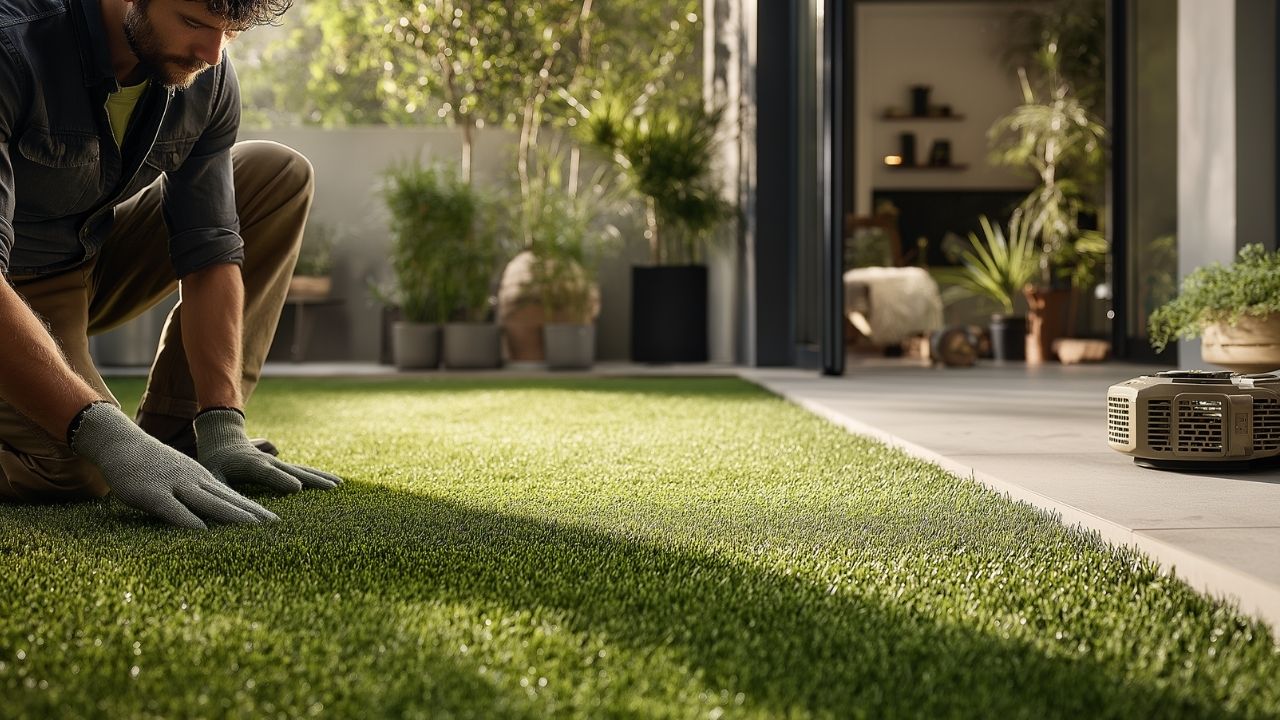
The “Zero-Effort” Fallacy: Why Your Lawn Still Needs a Concierge
I have a friend—let’s call him Steve—who once tried to vacuum his backyard. I wish I was joking. He dragged his indoor Dyson out to the patio, plugged it in with two extension cords, and tried to suck up pine needles from his artificial grass. It was hilarious until the vacuum choked on a handful of rubber infill and died a smoky, dramatic death.
Please, don’t be like Steve.
While you definitely don’t need a mower (seriously, sell the mower), you do need a plan. If you let debris sit, it tends to rot. If it rots, it turns into sludge. And if you have sludge, you are eventually going to have weeds growing on top of your expensive plastic grass. It is nature’s way of mocking us.
Frequent inspections allow you to catch wear and tear early. Think of it like checking your teeth; you want to find the cavity before you need the root canal.
The Blowout: Keeping Your Field Red-Carpet Ready
Think of your turf fibers like hair. After a long day of kids or athletes running all over them, they get matted down. If you leave them like that, they take a “set” and refuse to stand back up. It just looks sad and tired.
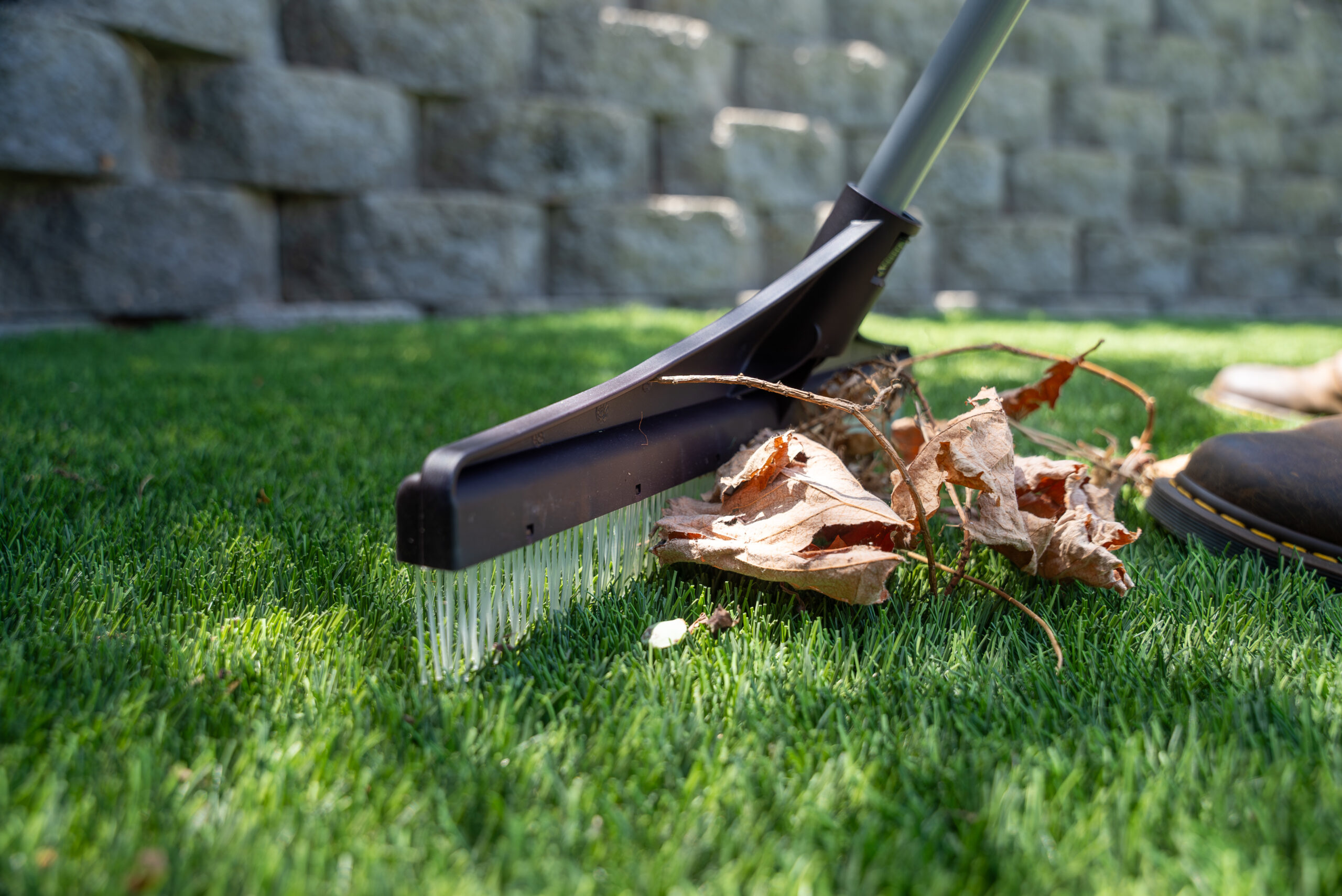
You need to brush it. For smaller residential lawns, a stiff push broom works wonders. For larger sports fields, you are going to want a tow-behind grooming brush. The goal is simple: stand those fibers up straight.
And here is a tip that usually surprises people: change directions. If you always brush North to South, your grass will develop a permanent lean, kind of like a tree on a windy coastline. Mix it up. Go diagonal. Go East-West. Keep those fibers guessing.
The Estate Manager’s Essential Toolkit
You don’t need a garage full of tools, but you do need the right ones. Using a metal rake on synthetic turf is a crime. It will rip the fibers right out of the backing.
- Plastic Rake: Gentle and effective for leaves.
- Power Broom: The heavy artillery for fluffing up matted areas.
- Leaf Blower: Your best friend for surface debris.
- Infill Depth Gauge: A fancy ruler to measure the rubber/sand levels.
The “Couture Lining”: Why Infill is the Ultimate Luxury Detail
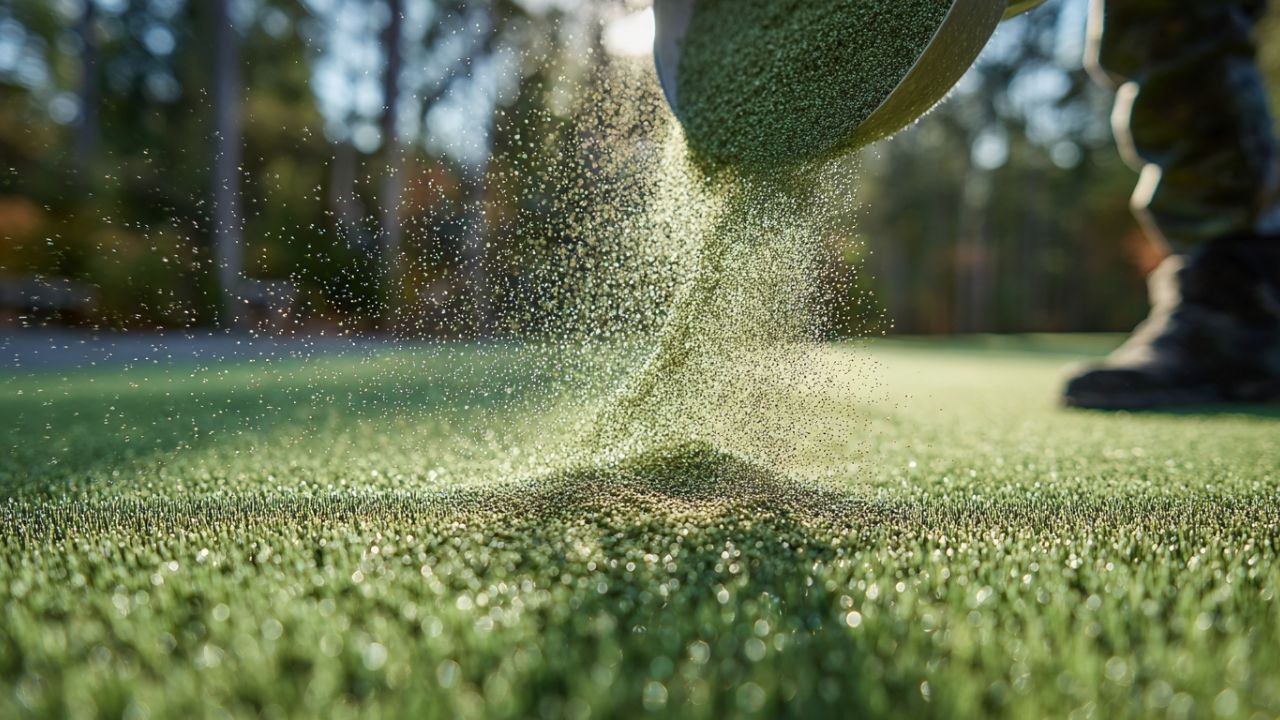
Infill is that layer of sand or crumb rubber that sits at the bottom of the grass blades. It is the unsung hero of turf field maintenance. It supports the blades so they don’t flop over, and it provides the cushion for your feet.
Over time, this stuff migrates. It gets kicked out by cleats, washed away by heavy rain, or carried off in shoes. When the infill gets low, the fibers stick out too far and snap off. It is probably the number one cause of premature field aging.
We have seen great success with Envirofill from our Artificial Turf Supply catalog. It is this acrylic-coated sand that doesn’t absorb water or smells. Plus, it has Microban antimicrobial protection, which is a fancy way of saying it fights off the bacteria from that half-eaten hotdog your kid dropped last week.
Fact: Scheduling deep cleaning every 45 days improves surface quality by 12.6%. That includes redistributing this crucial infill layer.
Softening the Blow: Keeping the Surface Plush and Safe
Here is something that tends to get perplexing for new owners. The ground under your turf gets harder over time. It’s called compaction. Foot traffic mashes the infill and the soil base together until it feels like playing on concrete.
This is dangerous. Fields maintained on a biweekly schedule report 8.9% fewer injuries among athletes. That is a statistic you really cannot ignore if you have kids playing back there.
You need to aerate. For synthetic turf, this doesn’t mean pulling plugs of dirt out like on a golf course. It means using a machine with tines that poke into the infill and wiggle it around to loosen it up. Over 65% of turf damage is preventable with regular aeration every 60 days. It keeps the field soft and the drainage working.
Hydration Therapy: The Cooling Mist Protocol
I know, I know. You bought fake grass so you wouldn’t have to water it. And strictly speaking, you don’t have to water it to keep it alive. It’s plastic. It doesn’t drink.
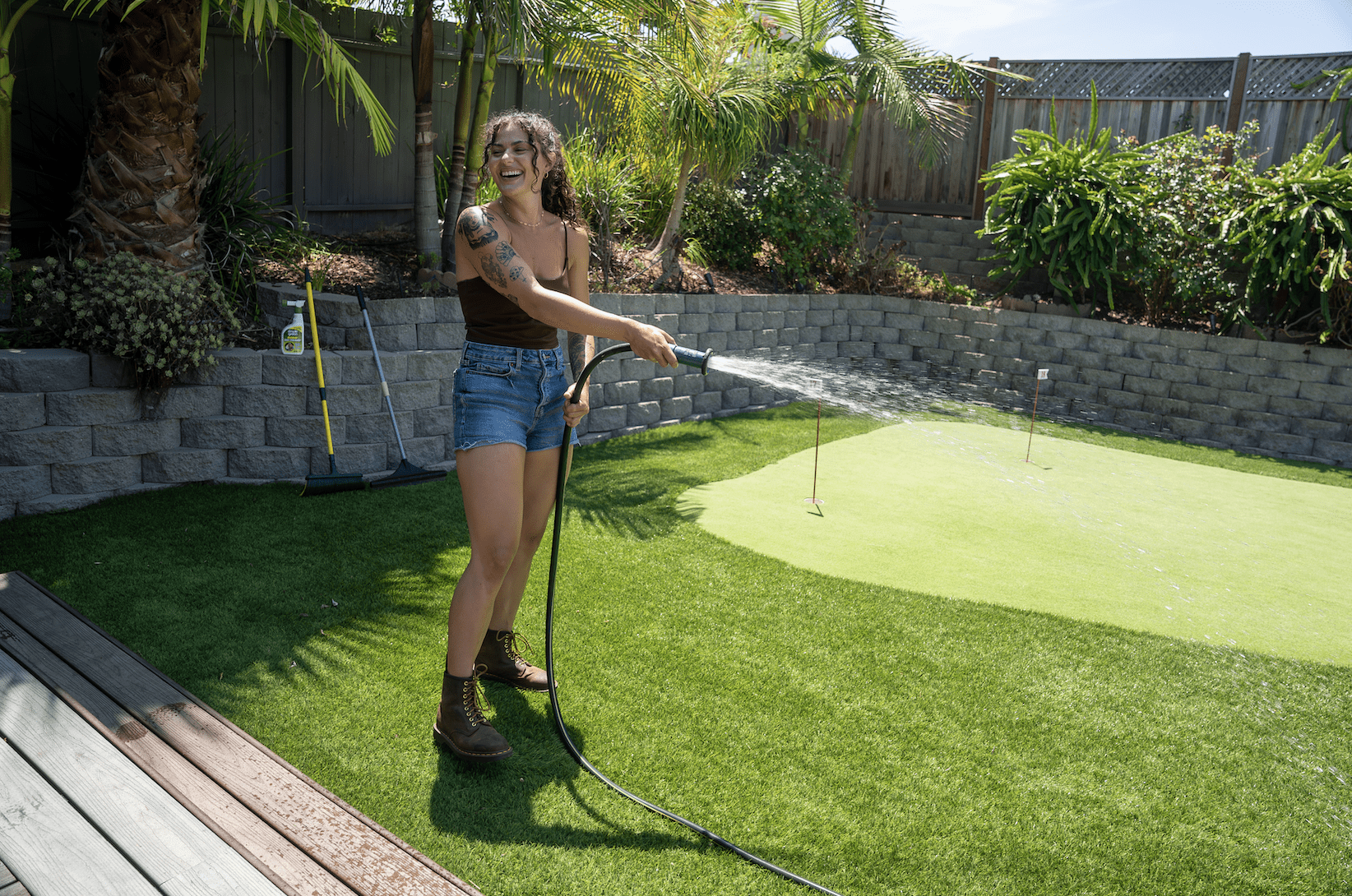
But sports turf irrigation is vital for two other reasons: cooling and cleaning.
On a hot July day, synthetic turf can get hot. Like, fry-an-egg hot. A quick spray of water cools the surface temperature down instantly through evaporation. It makes the difference between a pleasant game and blistered feet.
It also flushes out the microscopic gunk. Dust, pollen, spit (gross, but true), and pet urine need to be rinsed through the drainage holes. Proper irrigation prevents mold growth by keeping the drainage system flowing freely. If you let that dust build up, it turns to concrete when it gets wet, clogging your drainage.
For those of you in the market, look at the LXR series from Artificial Turf Supply. It is designed with high-flow drainage technology that handles this flushing process incredibly well, especially for residential lawns that see a lot of action.
Solar Flare-Ups: Dealing with High-Efficiency Reflections
Okay, this is a weird tangent, but you need to know it. If you have energy-efficient windows (Low-E glass), they can act like a magnifying glass. The reflection can actually melt your turf. It leaves these crazy melted streaks across the lawn that follow the path of the sun.
If you see this happening, don’t water it more. That won’t help. You need to put a screen on the window to diffuse the light.
Eau de Parfum: Keeping It Fresh for the Four-Legged Residents
If you have a dog, you know the struggle. You love them, but their bathroom habits can turn your beautiful ProPLAY playground turf into a smelly zone.
Do not use bleach. Bleach eats plastic. Instead, use an enzymatic cleaner. These are cleaners with bacteria in them that eat the proteins in the urine. It’s biological warfare against smells. You spray it on, water it in, and let the enzymes do the work.
Nips and Tucks: Minor Cosmetic Procedures
Ideally, you want to catch issues when they are small. A loose seam is like a loose thread on a sweater; if you pull it, the whole thing comes apart.
If you see a seam opening up, fix it immediately. You can get turf tape and glue from Artificial Turf Supply to patch it up. Clean the area, put the tape under the gap, apply the glue, and weigh it down. It’s a simple Saturday afternoon fix that saves you a headache later.

Protecting the Portfolio: The ROI of Regular Care
Look, I know maintenance costs money and time. But let’s look at the ROI. Proper turf maintenance can extend field lifespan by 17.3%. If your field or large backyard setup cost you $20,000, that is nearly $3,500 worth of extra life you are getting just by brushing and cleaning it.
And consider the water savings. Optimized irrigation schedules reduce water use by approximately 23.4% annually compared to trying to keep natural grass alive in a drought. You are winning on both ends.
The Final Toast: Enjoying Your Private Oasis
Taking care of synthetic turf isn’t exactly rocket science, but it does require you to pay attention. It’s about catching the little things before they become big, expensive things.
Grab a rake, check your infill levels, and maybe give it a rinse now and then. Your turf will look better, feel softer, and last longer. And honestly, it is still a million times better than mowing every weekend.
If you’re ready to upgrade your maintenance game or need advice on the best products for your specific setup, we’re here to help. We work with homeowners and facility managers across the country to keep their fields performing at a championship level. Give us a call at (877) 525-8873.
Your investment deserves to last. With the right care, you can make sure it does.
Just remember: keep the vacuum cleaner inside. Trust me on that one.