




Wanna know a shortcut to choosing the best turf distributor for your lawn? Get an artificial grass supplier on the phone and start asking the right questions.
I’m gonna be straight with you. When I first got into the turf game, I had no idea what those questions should be. Clueless. But after a few years working with the highly-experienced people over here at Artificial Turf Supply, I’m learning all the tricks of the trade. To get a real sense of a grass supplier’s experience and mastery of the turf trade, you need to be asking about product types, warranties, installation times, and past experiences.
So take a look, take some notes, and be ready to start separating the artificial grass pros from the posers.
So What Types of Artificial Grass Do You Actually Offer?
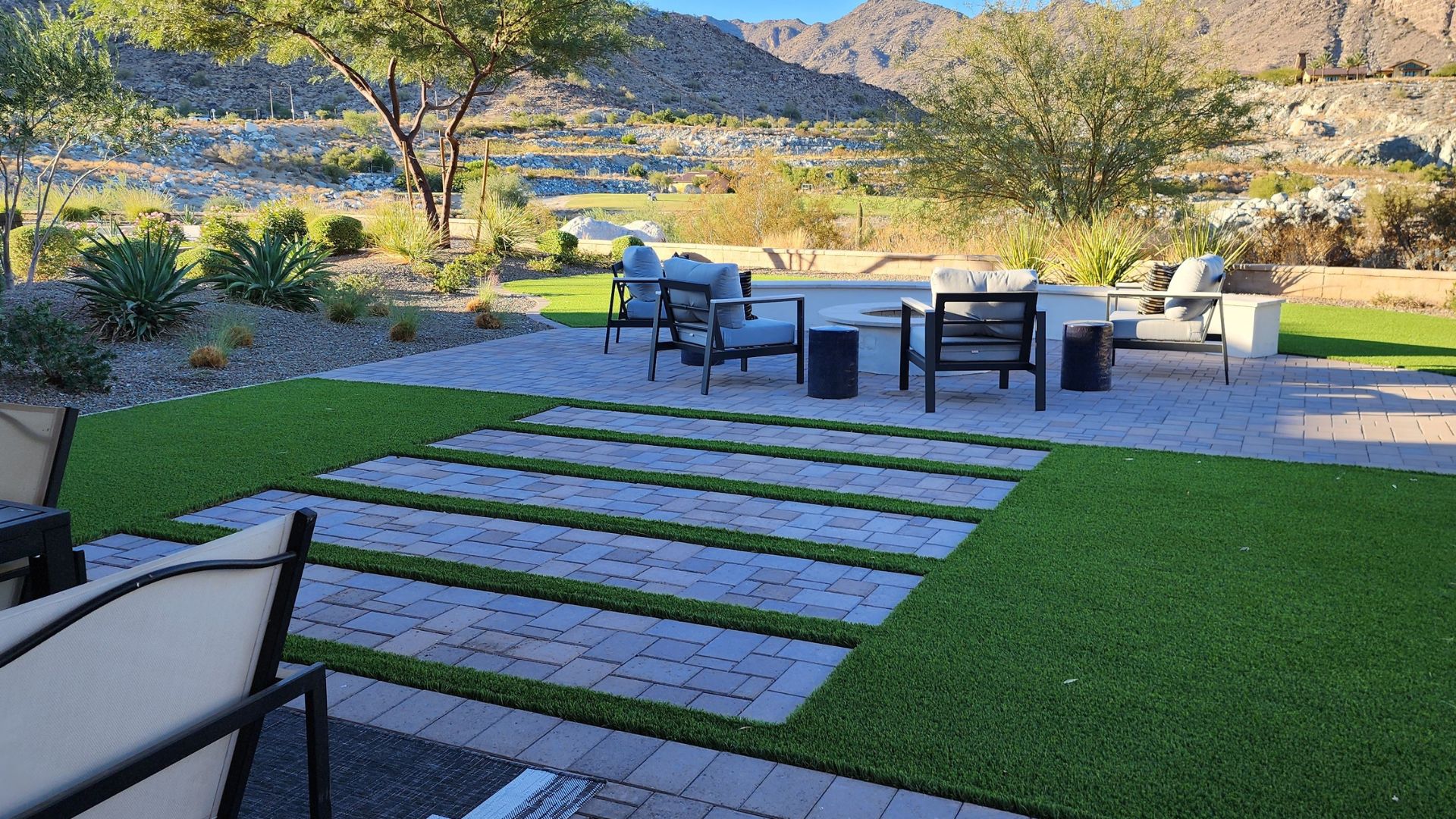
This question right here? It tells you if you’re dealing with a real supplier or some guy dropshipping from his garage. You should be looking for answers that show both variety and quantity, or you’re dealing with someone who’s likely to try to push one of their 6 options on you (instead of listening to what you need and helping you find the right combination of styles and features).
So if you only get a list of 10 turf types in their answer, hang up. We’ve collected dozens of different synthetic turf products for a simple reason. Your backyard needs totally different grass than a daycare playground. Or an outdoor commercial space. Or a putting green. Or that side yard where your dogs do their business.
Each of these spaces needs a different combination of turf options… blade length, blade shape, color combination, pile height, infill, thatch. All of those options determine what the right turf type is for you. And the list goes on, which brings me to a couple of great follow-up questions…
Ask them what their recommendation is for pile heights. If they don’t first ask about your project, they’re just pushing their favorite product on you. Their answer should depend on your lawn project needs. You got your short stuff (1.5 inches) that’s perfect if you want that fresh-cut look. Then medium pile around 2 inches – that’s your sweet spot for most backyards. The longer stuff? 2.5 inches and up? Feels amazing barefoot but it’s gonna mat down faster in high traffic areas.
Same thing for Materials. Polyethylene feels soft. Like, really soft. Polypropylene? Tougher but kinda scratchy. Some products mix both. And then there’s nylon for you desert folks whose turf needs to deal with extreme heat. We had a customer in Phoenix whose non-nylon grass literally melted. Melted! From the sun reflecting off their windows.
What’s the Deal with Your Warranty?
Artificial grass suppliers without solid warranties? A red flag if there ever was one. Turf distributors should only sell products they’re willing to stand by. And in the Artificial Turf Supply team’s experience, about 74% of people ask about warranties lasting over 10 years. And that’s a smart move. (Golf clap if you’re in that 74%)
Our warranties at Artificial Turf Supply run anywhere from 15 to 25 years depending what product you’re looking at. But honestly? The length isn’t what matters. What matters is what’s actually covered in your warranty. UV degradation? Excessive wear? The backing falling apart? Some warranties decrease in value over time (they call it “prorated” but it basically means you get less coverage each year). Others don’t.
Oh, and ask what voids the warranty. Usually it’s improper installation. Sometimes it’s using the wrong cleaning products. I’ve even seen one voided because someone used a metal rake on it.
And the fact that a warranty can be voided by improper installation is a serious reason to only consider buying from an artificial grass supplier that also does the actual installation. Knowing how to properly install artificial grass is a great sign that you’re talking to a legit professional.
How Long Will Your Artificial Grass Installation Take?
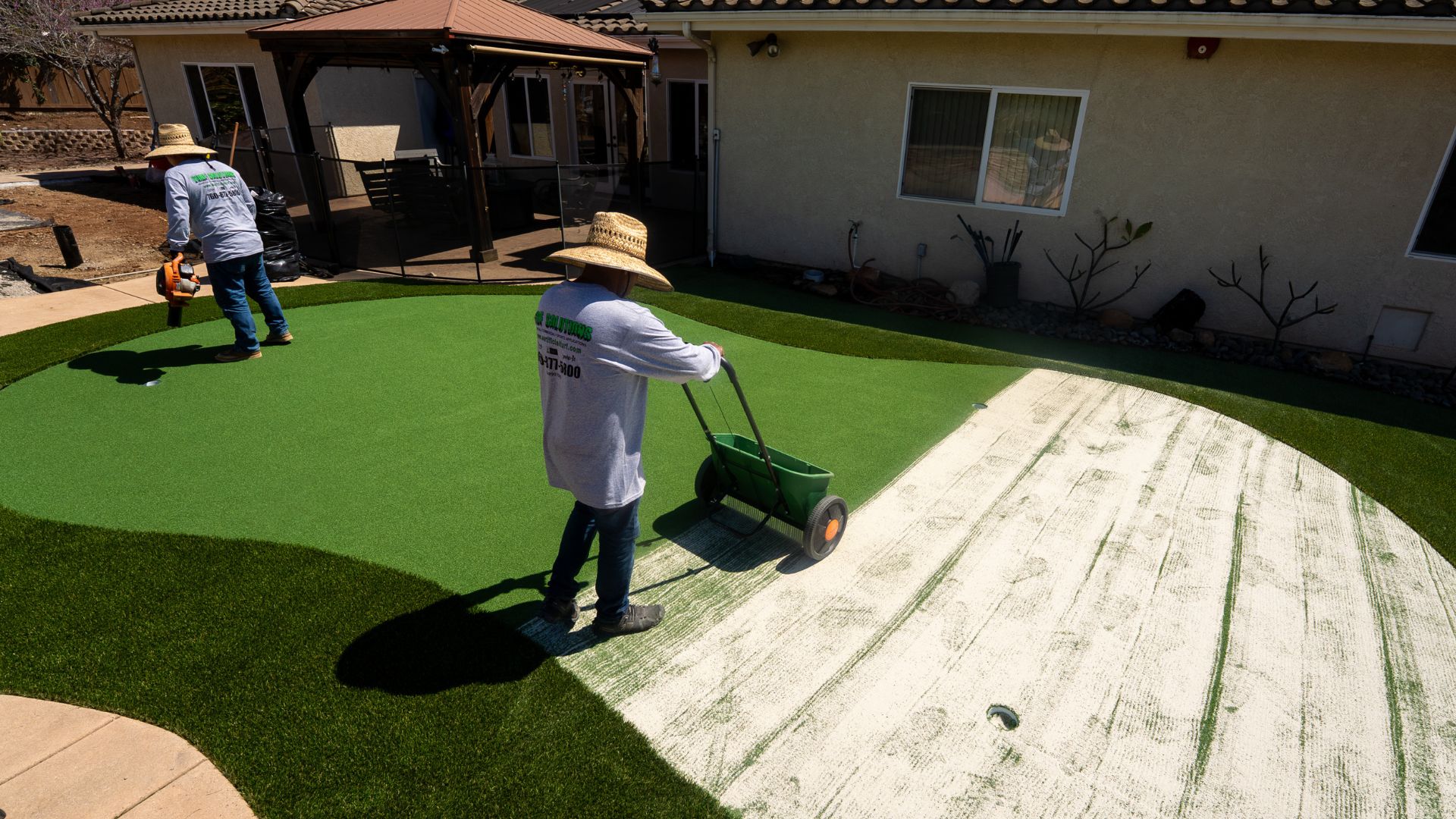
Your typical backyard – let’s say 500 to 800 square feet – usually takes about 2-3 days. And each of the steps involved is super-important. So here’s a break down of what really happens.
Day one? Destruction. Complete destruction. They’re gonna rip out your old grass (down to those problematic root systems), level everything, add base material. Your yard’s gonna look like a construction site. Your neighbors will think you’re installing a pool.
Day two is when it starts looking like something. The turf rolls out, gets stretched tighter than my jeans after Thanksgiving, and all those seams get joined. This is where good installers earn their money. Bad seams are like bad haircuts… you notice them every single time you look.
If you’ve got curves, multiple trees to work around, or want some fancy design? Add time. One family wanted a hopscotch pattern built in. Took an extra day but their kids love it.
Can You Provide Real References?
The Artificial Turf Supply team has noticed that about 68% of people compare three suppliers (good!) but then never actually call the references or check out reviews.
Look, any company can cherry-pick their best photos. If a company’s reviews are 100% perfect, you’re not getting a full picture. What you want is to talk to someone who’s had the grass for at least a year. Someone with your same situation. Got teenage boys who play soccer every day? Don’t talk to the retired couple who uses their yard twice a month. Have three dogs? Find another dog family.
What Maintenance Am I Really Signing Up For?
Anyone who says “maintenance-free” is lying to your face. It’s low maintenance, not no maintenance. Any artificial grass supplier with any experience will be able to walk you through the best turf care guidelines.
They should be able to touch on the little weekly tasks (like blowing the leaves off), the important monthly steps (hosing the turf down, yes it’s a thing), and those only-a-few-times-per-year things (like adding infill).
If they don’t have much to say, or they say there’s not much you need to worry about, you might want to look for a more informed turf partner.
Are Your Products Actually UV Resistant?
I can’t stress this enough: around 58% of customers ask about UV resistance and that number needs to be higher. Because non-UV resistant turf? It doesn’t just fade. It turns this weird blue-green color. Like… abandoned-swimming-pool blue-green.
The good stuff has UV inhibitors mixed right into the fibers when they’re made. It’s not sprayed on. Not coated. It’s literally part of the grass blade. Think of it like buying fabric that’s already colored vs. dying white fabric later.
My parents’ grass in Scottsdale has been baking in that desert sun for six years. Still looks good as new. Their neighbor went cheap? Replaced theirs twice already.
How Environmentally Friendly Is Your Artificial Grass?
Honestly, I felt guilty at first about installing “plastic grass.” Then I did the math. No water (we save about 55 gallons per square foot yearly). No fertilizer running into storm drains. No gas mower emissions. No pesticides.
Plus most quality turf uses recycled materials in the backing. And after 20-25 years when you eventually replace it? The whole thing can be recycled. Try doing that with dead sod.
What’s This Actually Gonna Cost Me? (All In)
Grass itself runs $2-8 per square foot for the good stuff. Installation? Another $3-8 per square foot typically. But here’s where people get surprised…
You need base prep. Drainage work (maybe). Weed barrier. Edging materials. Infill. Getting rid of your old lawn. My original quote? $3,000. What I actually paid? $5,400. And that installer was pretty reasonable – he just didn’t mention all the necessary “extras” upfront.
I always tell people: take whatever number you’re thinking and probably add 40%. Better to be pleasantly surprised than shocked.
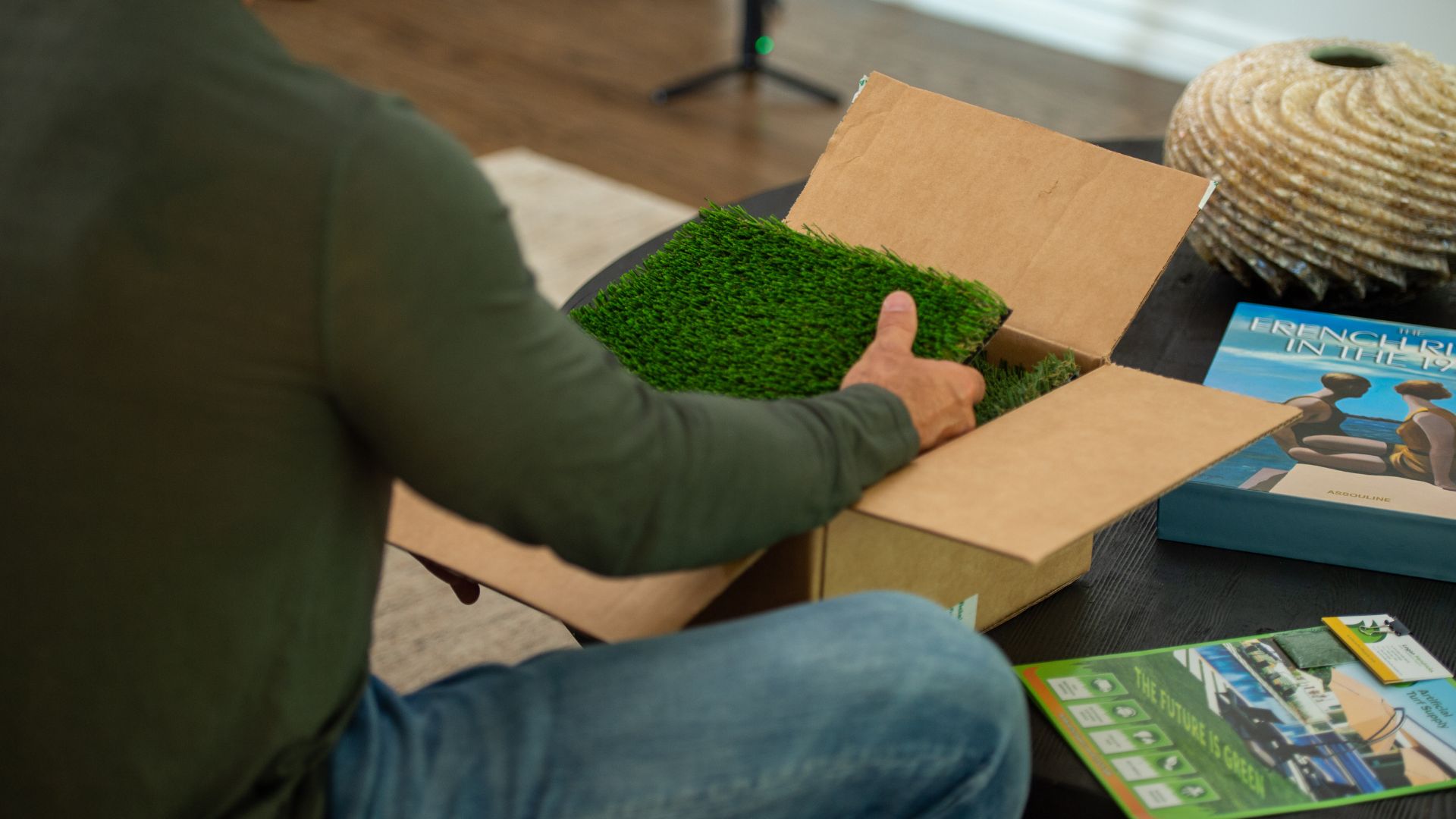
How About Some Turf Samples?
If they won’t send samples, run. Seriously. Run.
We ship samples of anything because website photos can be… we’ll go with ‘misleading’. That “spring green” online? Might be neon in person. That “soft touch” description? Could feel like a dish scrubber.
Get samples. Step on them barefoot. Let your dog sniff them. Spill some coffee on one. Pull at the edges. One couple literally left samples in their yard for a month to see how they’d weather. Smart.
How Long’s This Stuff Actually Last?
Quality turf? You’re looking at 20-25 years easy. The cheap stuff? Maybe 8-10 if you baby it.
The difference is in everything – the fiber quality, how the backing’s made, the UV protection. It’s like comparing a Toyota to a… I dunno, whatever those cars are that break after 50,000 miles.
Bottom Line? Ask The Supplier All the Questions
After all my mistakes (and trust me, there were plenty), here’s what I know: The suppliers who get annoyed by questions? Not worth your time. The good ones will talk your ear off about drainage patterns and infill options because they actually care if this works out for you.
Take your time. Get those samples. Call those references. Because in my opinion, spending an extra week researching beats spending the next decade looking at terrible fake grass. And please, please don’t make my wine-fueled, late-night Google mistake. Your yard (and wallet) deserve better.
Chat with one of our turf experts today to get started!