




How are you supposed to know when you’re looking at high-quality wholesale synthetic grass? I mean, even when buying wholesale, turf is a big investment. So it doesn’t matter if you’re shopping online or with a local store, the turf you choose will determines how good your outdoor space looks, how much maintenance you’ll need to give it, and how long it will last.
Actually, now that I write that out, it’s a lot like dating. Finding the best option often starts with weeding out the bad options… so you have to know how to spot those red flags. Do you want to know how many times I’ve worked with customers who ended up ignoring synthetic grass red flags only to regret it down the road? It’s… a lot. And it can be easy to do, because it’s easy to find turf that looks perfect on a website or on paper. But then they rolled it out, lived with it for a season or two only to watch it fade, flatten, and puddle.
So, I’ve talked to the Artificial Turf Supply team because they’ve studied the specifications, tested samples, and done the work to become seasoned experts. And the right information saves you money, effort, and heartache. So today’s blog distills what I learned so you can choose synthetic grass with confidence.
And let me say up top… the best way to avoid these wholesale red flags is to find the best turf distributor for your project. But even then, the tips you’ll find here today will help you make the best choices.
Wholesale Artificial Grass: Helpful Facts & Figures
-
- Quality lives in materials, drainage design, and a warranty that means something.
- About 65 percent of buyers report quality issues within two years when corners are cut.
- Only 30 percent of wholesale suppliers meet safety regulations, so ask for certifications.
- Roughly 25 percent of projects miss proper installation guidelines and suffer early wear.
- Around 58 percent of wholesalers are vague about sourcing and manufacturing, which signals risk.
From Spec Sheet to Front Lawn: Quality and Performance That Last
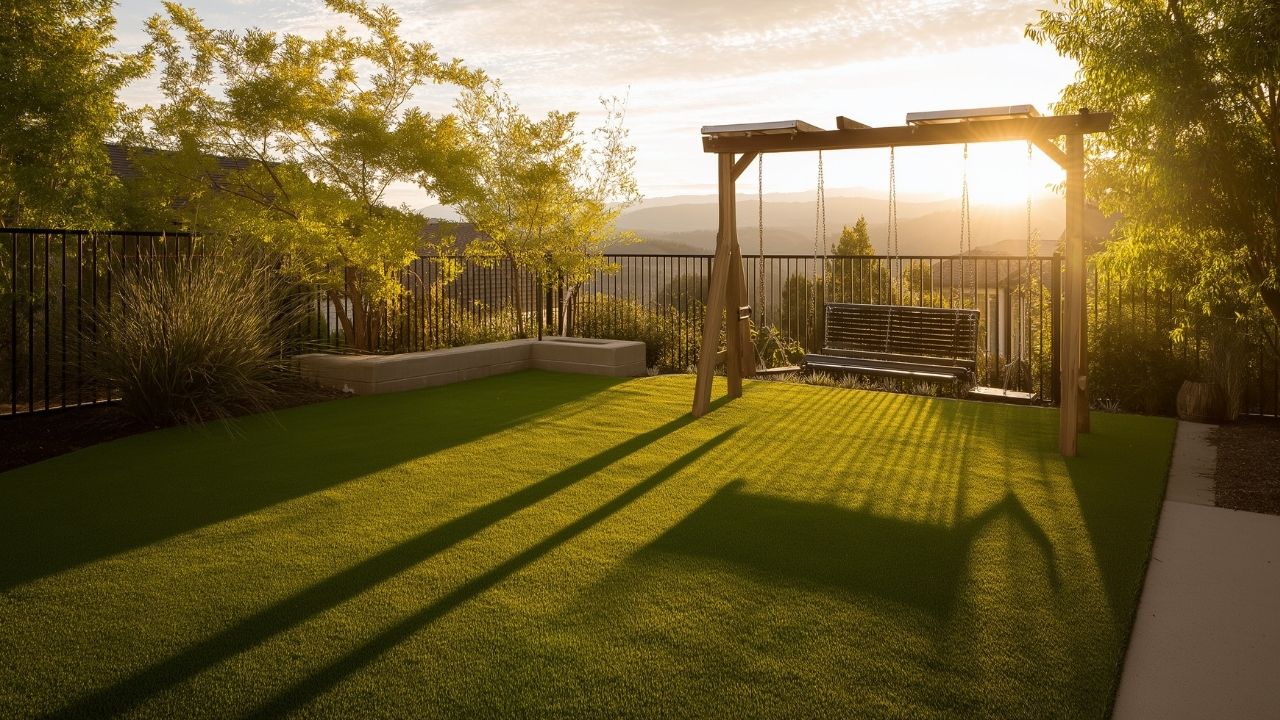
Let’s start with what makes a lawn look luxurious and hold up under real life. Quality blends the right materials, solid construction, and proof on paper. A dependable product looks like real grass, feels stable, resists sun, drains fast, and locks blades in for years of traffic.
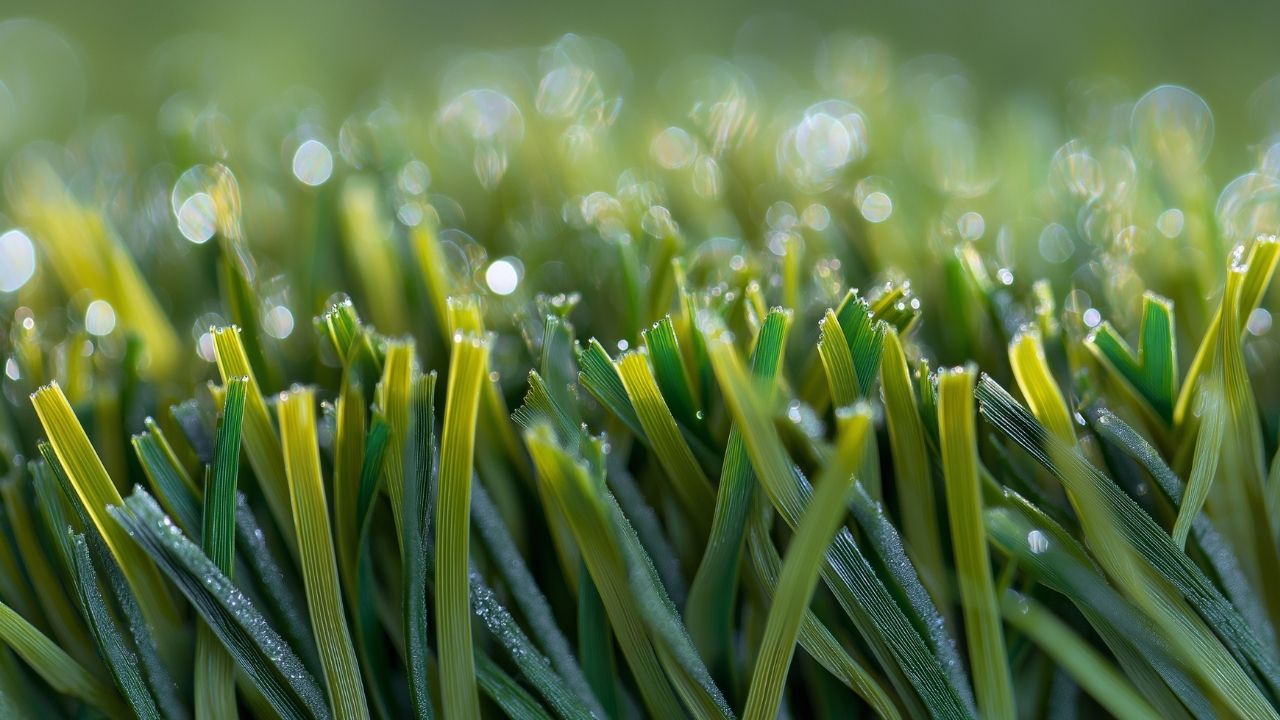
Materials and the build. Most landscape blades use polyethylene for softness and resilience, with nylon added where extra strength or heat tolerance helps. Polypropylene can work in low-traffic areas but tends to crush. Blade profiles like S, C, and W support the yarn and soften reflections so the lawn reads natural; flat blades often look shiny. Density and face weight drive recovery and longevity. Thatch fibers add depth and realism. Color blends with hints of tan hide wear far better than one flat green.
Backing and drainage. A multi-layer backing with an even coating keeps tufts anchored. Generous, consistent perforations move water down through the system. Quality synthetic grass should have UV resistance to prevent fading, and the claim should be backed by data. If you cannot find mention of UV inhibitors or testing, keep walking.
Process and proof. Consistent tufting avoids striping. Even coatings hold fibers. Batch labels and clear specs improve traceability. Ask for materials that meet ASTM standards for safety and durability. For play areas, IPEMA with a shock pad documents impact performance. Fire testing, heavy metal testing, and UV reports should be available. Only a slice of suppliers meet full safety guidelines, so documentation isn’t busywork; it protects your property and everyone on it.
How it behaves on your property. Press a brush or a key into the blades and watch recovery. Part the fibers and check density; if you see backing easily, expect fast matting. Spray a sample and see how quickly water disappears. For comfort and safety, a foam underlayment helps, and many buyers prefer turf with a pad for softer landings. Safety starts with verified materials; ask for proof that fibers and backings are free of heavy metals and request VOC data where needed. Good water management protects soil and foundations by moving runoff away from the surface.
In Scottsdale, the area’s dry heat turned one of our client’s shiny lawn into a skillet, followed by monsoon rain that left puddles that wouldn’t budge. They came to us asking for some wholesale synthetic grass advice. And we ended up swapping in UV-stabilized polyethylene with a matte finish, adding a shock pad, and specifying a denser perforation layout. After the next storm they messaged that the yard dried before they finished brewing their pour-over.
Wholesale Turf Red Flags, Warranty, and the Smart Buy
Before anyone breaks ground, filter out weak products and weak partners so you avoid the most expensive mistakes. Here are a few approaches our team suggests for buying wholesale synthetic turf.
Trouble signs in the product. Vague specs missing yarn type, face weight, stitch rate, or backing composition. No mention of UV protection or safety testing. Sparse perforations and no stated drainage rate. Color striping or obvious batch mismatch. Backing that flakes when bent, or blades that pull out with a light tug. Strong chemical odor even after airing out. Tiny warranty with broad exclusions or a promise with nothing in writing. Rock-bottom pricing often means something is missing, like base depth, infill, seam materials, or after-sales support.
The promise behind the product. A warranty is a window into confidence. Look for clear terms on UV stability, fiber integrity, tuft bind, and backing stability. Landscape coverage often runs 8 to 15 years. Read the terms, learn who processes claims, and keep receipts and batch numbers. Fast, honest support is the mark of a partner, not a short-term vendor.
How to vet people and pricing. Visit recent projects, ask for addresses and contacts, and read reviews with attention to communication and problem solving. Request a written scope that includes product specs, base depth, drainage plan, infill type, edge treatment, and warranty registration. Compare quotes line by line so you can see what’s included.
Buying for the long run. Price isn’t the enemy; mystery is. A fair bid spells out specs, base, drainage plan, steps, infill, and warranty so you can compare apples to apples. Cheap numbers usually cut something. Savings vanish when repairs begin. A well-built system with a solid warranty and a skilled installer lowers maintenance and replacement, which brings down the cost per year and keeps the lawn looking sharp.
In Austin near South Congress, a homeowner said the delivered roll felt thin compared with the showroom sample. We weighed the face weight on site, caught the bait-and-switch, and got the correct spec with a real 10-year UV warranty. Their text back: “Y’all saved my backyard and my Saturday.” We couldn’t be happier.
Installation and On-Site Checklist
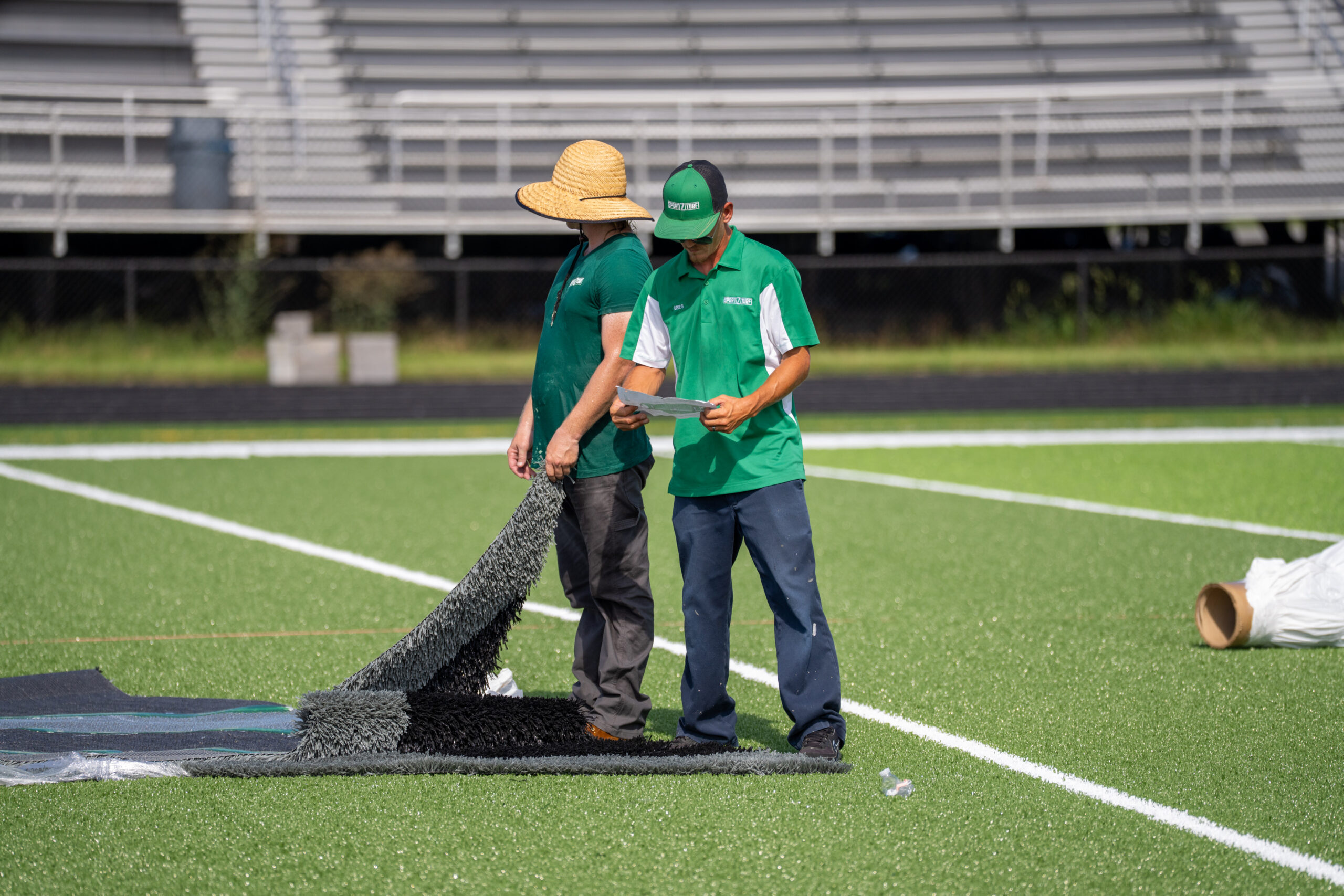
Finding the best turf won’t matter if your installation’s not thorough and well-executed. Around a quarter of installations skip proper guidelines, then pay for it later. So whether you’re hiring professionals or installing it yourself, make sure you know how to install synthetic grass like a pro. So here’s a quick overview.
Site prep sets your project’s foundation (both literally and figuratively). So start by removing any and all organics (grass, weeds, flowers… everything), make sure you set the surface’s grade for water optimal flow, then compact the base layer to the specified depth. Make sure you record that depth in the proposal, so the crew has a clear target.
Secure the edges so your lawn doesn’t creep, and use the right tape and adhesive on those seams. Choose your infill based on how you plan to use your synthetic grass. Pet areas often use antimicrobial infill, while putting greens need blends tuned to give every putt the most natural ball roll. Bring a hose to check water movement across your turf, and a straightedge to help you find low spots. And make sure to take photos every step along the way; good turf install crews welcome documentation and feedback.
I remember we had one client in Orange County, on a slope above Laguna. Their lawn kept creeping because the base was shallow, leaving the edge of the turf with nothing to grab onto. So, we rebuilt the base to spec, set a timber plinth, and tuned the infill, and the OC winds stopped ripping at their lawn’s seams. During June Gloom the surface stayed flat and tidy.
Your streamlined on-site cheat sheet
| Specification item | Quality target | Red flag to watch |
|---|---|---|
| Pile height | Match application for comfort and realism | One size fits all claims |
| Face weight | Balanced with density for durability | Very low weight with fluffy marketing |
| Yarn type | Polyethylene or nylon with UV protection | Unknown polymer or no UV mention |
| Backing | Multi layer with strong tuft bind | Flimsy cloth, thin coating, easy blade pull |
| Drainage | Even perforations and stated rate | Few holes, puddles in hose test |
| Infill | Correct type and depth for use | Wrong infill or none specified |
| Warranty | Clear terms on UV and integrity | Short coverage or vague exclusions |
Keeping Things Simple
When you’re looking for wholesale synthetic turf, quality means safe materials, real UV resistance, strong backing, dependable drainage, and a warranty worth more than a brochure. So make sure you get turf samples, read all the specs, and ask every question you can think of to your turf distributor.
And make sure you’re keeping your focus on materials, drainage, installation steps, and understanding the level of maintenance you’ll need to devote to keep your new synthetic turf green and healthy for years to come.
But if you still have questions, give the Artificial Turf Supply team a call: 877.525.8873