



Knowing how to pick the best synthetic grass supplier for your turf project is about way more than just who has the better website. How do I know? Experience. Quick story. I once picked turf based on a pretty photo and a weekend deadline. Looked amazing for two months. Then July happened. The lawn got shiny, the dog refused to cross it at noon, and the seam by the gate lifted like a bad sticker.
That was the day I learned what really separates synthetic grass suppliers: the yarn, the infill, and how the brands they sell deal with heat. If you’re sorting options right now, this is the stuff that actually changes how your yard or outdoor space looks, feels, and performs… regardless of your climate.
Quick Tips to Comparing Synthetic Grass Suppliers
- Start with your use case, not looks. Lawn, pets, putting, play… all different needs.
- Match yarn to traffic. Polyethylene (PE) for soft, everyday yards. Nylon where abuse lives.
- Infill is not an afterthought. It decides stability, drainage, odor control, and comfort.
- Heat mitigation is real. Think about pigments, infill, pile height, & shade. Every degree helps.
- Compare those warranties line by line. Check for UV, fiber strength, backing bond, proration.
- Order samples. Leave them in the sun at noon. Stand on them. Decide with your feet.
How Synthetic Grass Suppliers Actually Differ
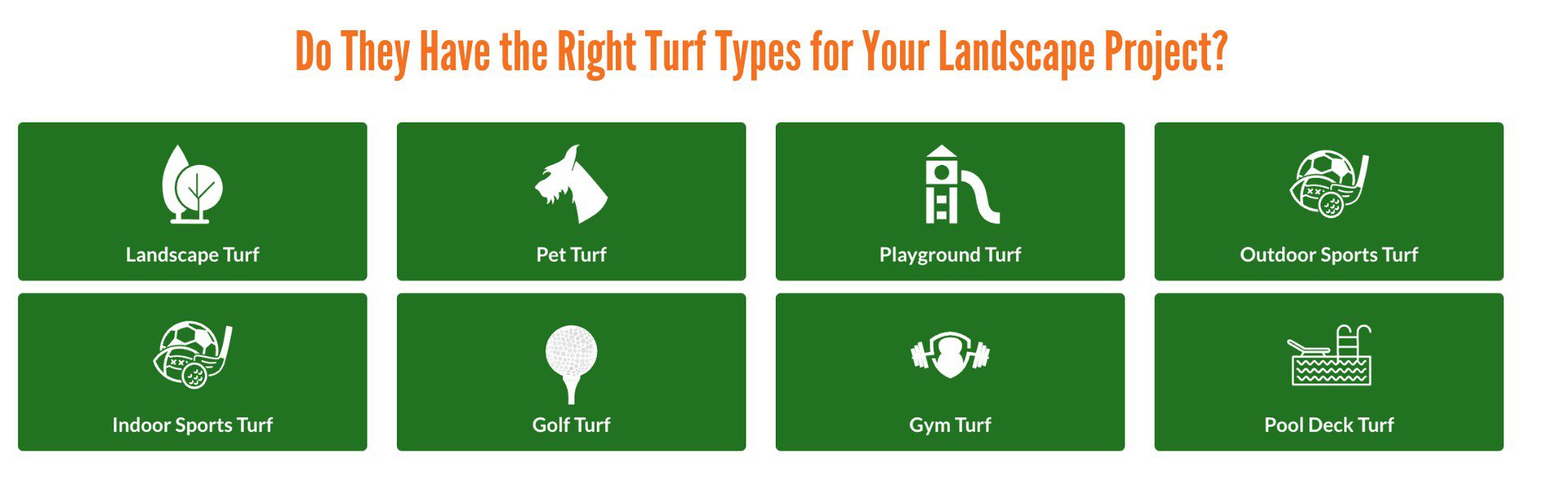
Do a couple of online searches. Most suppliers show the same sun-drenched photos. So, what are the important differences, then? Well, those all live underfoot. In turf fiber chemistry and shape, in backing and drainage style, and in the recommended infill and how much of it per square foot. Good turf distributors are happy to chat about heat and other dangers to your turf experience… not just hope you won’t notice when things go wrong.
You want a synthetic grass supplier that helps you match components to how you use your space.
Yarn Types That Do the Heavy Lifting
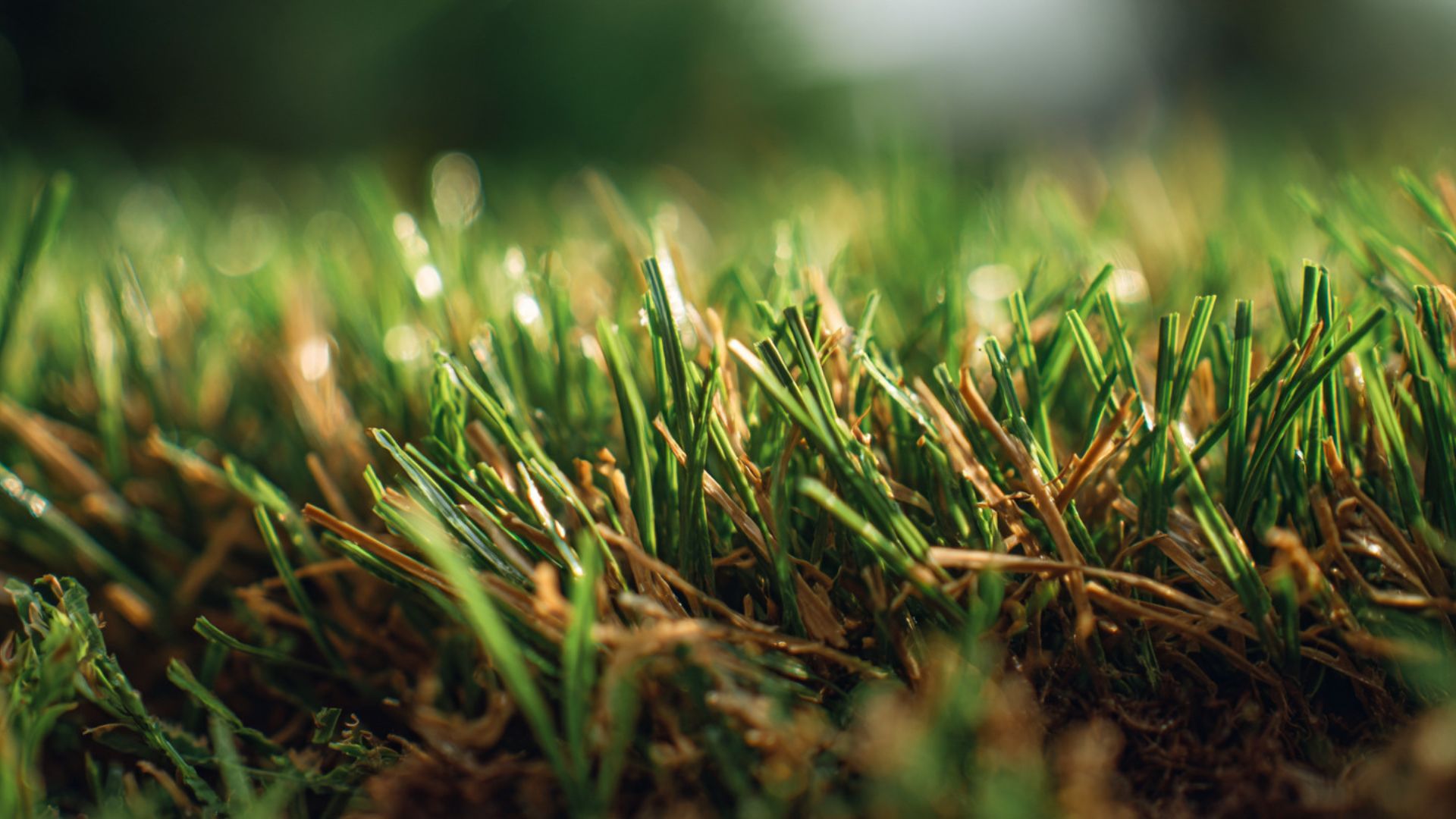
Any good turf supplier will want to discuss yarn. Yep, sounds exciting, right? Feel, durability, shine, color realism… it all comes from the yarn. If the fibers flop, fade, or glare, you (or your customers) will feel it every day. Here’s some yarn guidelines to use when you’re comparing synthetic grass suppliers:
| Material | What it feels like | Why you choose it | What to watch |
|---|---|---|---|
| Polyethylene (PE) | Soft, natural hand | Great for residential lawns, pets, playgrounds | Cheap mixes can look too glossy over time |
| Polypropylene (PP) | Firmer, budget friendly | Decorative areas, green fringes | Not as durable for heavy wear |
| Nylon | Springy, super resilient | High traffic zones, specialty putting surfaces | Can run warmer in direct sun, plan heat mitigations |
A quick note on getting that natural look through color and blade shape. Mixed greens with a believable thatch tend to hide shine and footpaths. Flat or oval cross-sections reflect light differently. Sounds nerdy but matters on the lawn.
Infill That Fits the System
Every artificial grass supplier should be able to give you an in-depth low-down on your best infill options. Think of infill as the unsung hero. It keeps blades upright, adds weight, tunes drainage, and changes how the surface feels underfoot. It’s also pretty important for odor control. (We’re looking at you, pet owners.)
| Material | Best fits | Heat comfort | Notes you’ll care about |
|---|---|---|---|
| Silica sand | Most landscape turf | Neutral | Affordable; pick the right mesh size; spread in lifts |
| Coated sand | Lawns, pets, play | Slightly cooler than plain sand | Cleaner handling; better uniformity |
| TPE or EPDM granules | Play, sports, cushy lawns | Comfortable | Check color stability and target weights |
| Organic blends (cork, coconut) | Heat-prone areas | Noticeably cooler when hydrated | Lighter weight; may need top-offs |
| Zeolite / odor-control mixes | Pet zones and kennels | Neutral to slightly cooler | Helps with ammonia smells when rinsed regularly |
Two infill rules that save headaches:
- Match the infill to your exact turf model and pile height.
- Hit the supplier’s pounds-per-square-foot target.
Do those and seams stay flatter, drainage keeps up, and you won’t be chasing low spots. Basically, you’ll deal with less eyesores, less water, and less mildew.
Synthetic Grass Heat Mitigation
Unless you’re installing in a temperature-controlled indoor space, turf gets warm. Some gets ridiculously hot. A good turf supplier will give you multiple ways to mitigate high temps, not just a buzzword or two.
Check a synthetic grass supplier’s options for:
-
- IR-reflective pigments that reduce radiant gain without turning the lawn a weird mint color.
- Cooler infills that hold a touch of moisture or reduce surface emissivity.
- Pile height and thatch that let your foot ride fibers instead of the backing.
- Breathable or highly perforated backings over an open-graded base. Air moves. Heat drops.
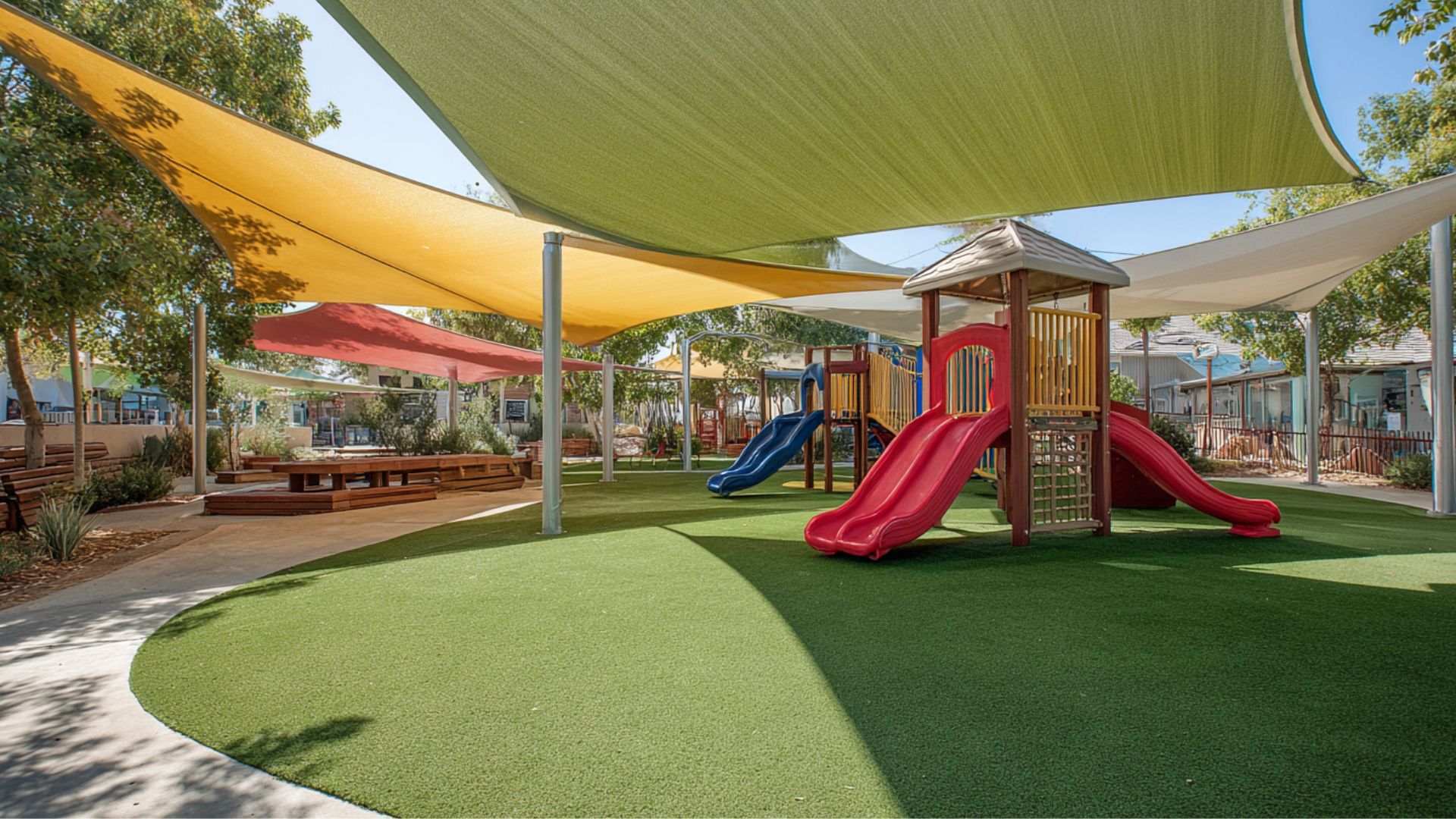
- Shade strategy along the southwest edge. Sails, a tree, even a properly placed umbrella.
- A quick hose rinse on peak afternoons. Simple. Effective. Especially for pet areas.
Artificial grass just doesn’t have the cooling properties of the natural stuff. This is just science. So, even with these turf options, will you feel the heat? Yes. It’s just going to be much, much more comfortable. And that’s the goal your supplier should be helping you reach.
A Simple Checklist – Comparing Synthetic Grass Suppliers
-
- Does the supplier publish recommended infill type and weight for your specific turf and use case?
- Do they explain pile height, face weight, stitch rate, and what those mean for matting?
- Do they speak plainly and helpfully about heat and offer more than one solution?
- Is there guidance on drainage rates and base prep for your soil type?
- Can you get samples quickly? Real swatches, not tiny confetti.
- Ask about the warranty. UV fade, fiber tensile retention, backing delamination, and whether it is prorated.
- How about after-sale support? Installation tips, troubleshooting, maintenance schedules.
If a supplier is vague on these, you have your answer. Just walk away.

Artificial Grass Budget, Install, and Warranty in Plain English
Install budget numbers will swing with access, base work, and your region. But here is how most synthetic grass projects shake out:
-
- Materials only for typical lawns often land in the several-dollars-per-square-foot range.
- Installed projects are higher because excavation, base stone, edging, and skilled labor are all valuable and important.
- Pet zones and playgrounds add specialty layers or pads. Worth it for longevity (and less odor).
Generally, turf installation hits the same beats every time. Start with a firm, free-draining base. Install edging that stops creep. Seams aligned to the same grain. Spread around infill in lifts, with brushing between passes. A power-broom finish keeps those fibers standing tall. Skip any of these steps and the you’ll find out why it was important real quick.
Also, warranties are not just a sales add-on. It’s important that your syntehtic grass supplier walk though the details with you. Read the inclusions: UV coverage, fiber strength over time, backing bond, proration schedule, how to file a claim… it all matters. Keep your invoice and the roll’s lot tag. Future you will thank present you.
Mini FAQ About Synthetic Grass & Suppliers
Which yarn should most homeowners pick?
PE for comfort and a natural look. Nylon if the space gets hammered daily.
Is cooler turf only about the yarn.
No. Pigments, infill, airflow, and shade all play together. Small gains add up (or, well, cool it down).
Do I really need special infill for dogs?
If you care about odor, yes. Zeolite or odor-control blends help a lot when you keep a rinse routine.
Perforated backing or fully permeable?
Both can work. What matters more is the base below it and how well water can move through the whole system.
Can I DIY it?
Absolutely, but I don’t recommend it for most people. If you do choose to DIY, know the proper installation instructions. Commit to base prep, correct infill weights, and clean seams. You can always bring in a pro for the parts you do not want to gamble on.
Where Artificial Turf Supply Fits Among Synthetic Grass Suppliers
The Artificial Turf Supply team takes a manufacturer-direct approach with clear product families for lawn, pets, putting, and play. You get straight answers on yarns, backings, and infills, plus target weights so you do not have to guess. Samples ship fast so you can test feel and heat at home, and a free quote tool helps get you as much budgeting information as you need to make the right choice.
Need an installer? Our team can help you find the best in your region. Want to DIY? We have tons of guides to get you informed. And you will get the base recipe and edging options that make sense for your soil and climate. All the practical stuff that keeps your lawn looking fresh in year three, not just week three.
So, What’s Your Next Step?
Grab the Simple Checklist above and begin narrowing down all the synethetic grass suppliers you’re considering. Grill them about yarn options, infill details, and the realities and remedies for heat build-up. If you’re satisfied with the insight and help they provide, great! If you’ve still got questions about anything we’ve covered here today, contact the Artificial Turf Supply team or give us a call at (866) 677-9405. And we sure hope to be considered for your project.
And once you’ve tested those samples, just pick your winner. Order with confidence and enjoy the yard that finally works the way you imagined.